Multi-Timeframe EA Development: The Higher Timeframe Is Not as Solid as You Think
Multi-timeframe trading makes intuitive sense. Check the daily to know the trend, then drop to the fifteen minute to time the entry.
The higher timeframe gives you the big picture, stable and slow moving, while the lower one is where you act. Almost every discretionary trader works this way, and automating it seems like a natural next step.
Then the multi-timeframe EA gets built, and it does something strange. It backtests beautifully and trades oddly live, or it trades fine live and cannot be backtested sensibly at all.
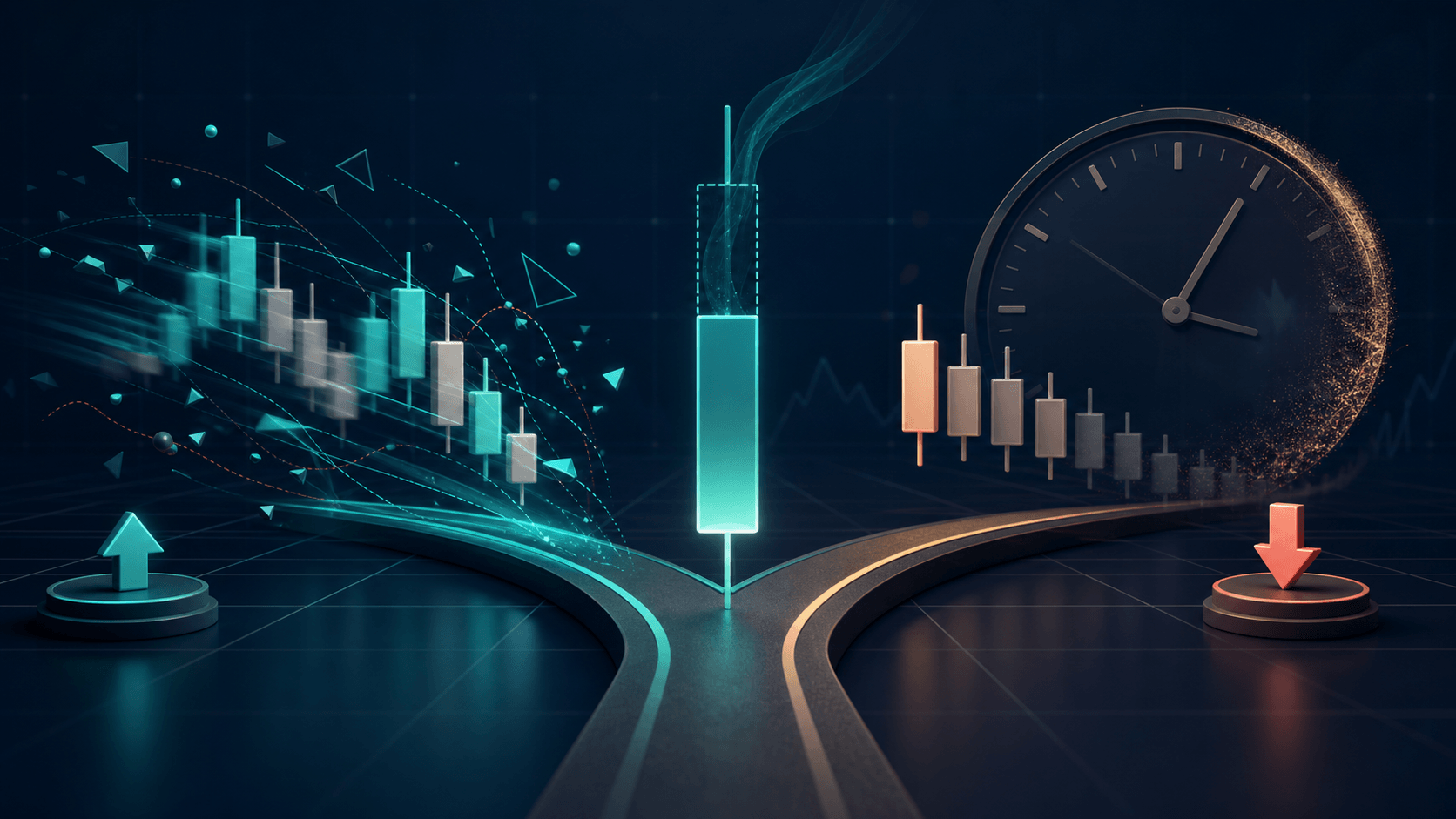
The reason is a single idea that breaks more multi-timeframe EAs than almost anything else: the higher timeframe you think of as solid is, to a running EA, still wet paint.
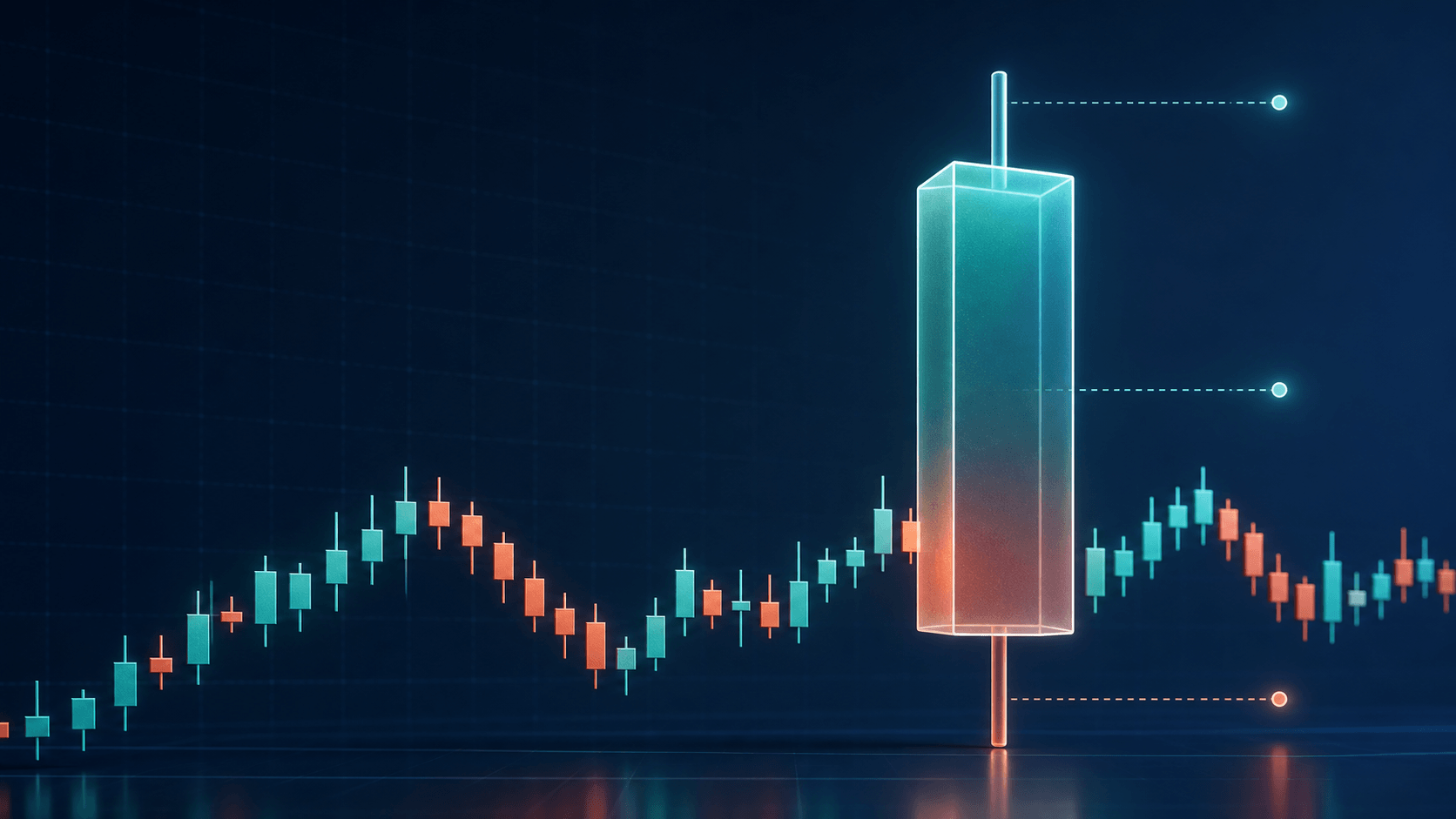
The moving target at the center of a multi-timeframe EA
When you glance at the daily chart to check the trend, you are usually looking at closed daily candles. Yesterday's daily is finished. It will never change.
An EA running on the fifteen minute does not have that luxury. When it asks for the current daily candle partway through the day, it gets a candle that is still forming.
Its high, its low, and above all its close are not final. They will keep moving until the day ends.
The higher-timeframe reading the EA acts on at ten in the morning may be completely different from the one it would have acted on at four in the afternoon, even for the same calendar day.
This is the crux. The stability that makes multi-timeframe analysis feel reliable to a human exists only for closed candles.
The moment an EA reads a higher timeframe that has not closed, the solid reference becomes a moving target. The strategy is now reacting to a number that has not settled.
Two ways it goes wrong, and they are opposites
From that one fact, two failures grow, and they pull in opposite directions.
The first is acting on unfinished information. If the EA reads the current, forming higher-timeframe candle, it makes decisions on values that later change.
A daily that looks bullish at midday can close bearish. An EA that entered on the midday reading is holding a position justified by a state of the world that never finalized.
This is a genuine repaint, even though nothing in the code is technically repainting. The higher-timeframe value simply moved after the EA relied on it, and the trade was built on sand.
The second is the mirror image. It appears when someone tries to fix the first problem by reading only closed higher-timeframe candles.
Now the information is solid, but it can be stale. If the EA only looks at the last completed daily, it may trade all day on a picture that is up to twenty-four hours old.
Neither choice is simply correct. The right answer depends on the strategy.
Choosing deliberately between a forming candle for responsiveness and a closed candle for reliability, and knowing the trade-off you accepted, is a large part of building a multi-timeframe EA properly.
The failed ones almost always made the choice by accident.
Why the backtest makes it worse, not clearer
You would hope the strategy tester would expose all this. Often it hides it instead.
Testing an EA that depends on several timeframes at once is genuinely hard. Experienced developers often encounter higher-timeframe values displayed incorrectly, misaligned data, and results that do not match live behavior.
The tester has to reconstruct how multiple timeframes looked at every moment in the past and feed them to the EA in the correct sequence.
Small errors in that reconstruction produce results that are confidently wrong.
The trap underneath is look-ahead bias. If the tester, or the code, lets the EA see the higher timeframe's final values while it is still meant to be inside that period, the backtest quietly hands the strategy tomorrow's newspaper.
The results look excellent because the EA effectively knew how each higher-timeframe candle would close before it closed.
None of that advantage exists live. The strategy that shone in testing falls flat in reality, while the cause remains invisible on the report.
A multi-timeframe EA is one of the easiest places for this bias to creep in because synchronization between timeframes is where the mistakes hide.
What building a multi-timeframe EA properly requires
Once you see the moving-target problem, the real work becomes clear. Most of it is not about the entry logic.
It is about deciding, for each timeframe, whether the strategy reads forming or closed data and accepting the trade-off that choice carries.
It is about synchronizing the timeframes so that, at every moment, the EA sees each one as it genuinely looked then, with no leakage of future information.
It is about testing in a way that reproduces live sequencing faithfully, so the backtest describes the same strategy that will actually run.
It is also about handling the plumbing: data-not-ready states and history errors that can otherwise feed the EA bad values it will trade on without complaint.
The exotic part, such as the trend filter, the entry trigger, and the confluence between timeframes, is the easy half.
The hard half is making sure every timeframe tells the truth about a specific moment, and nothing about a moment that had not happened yet.
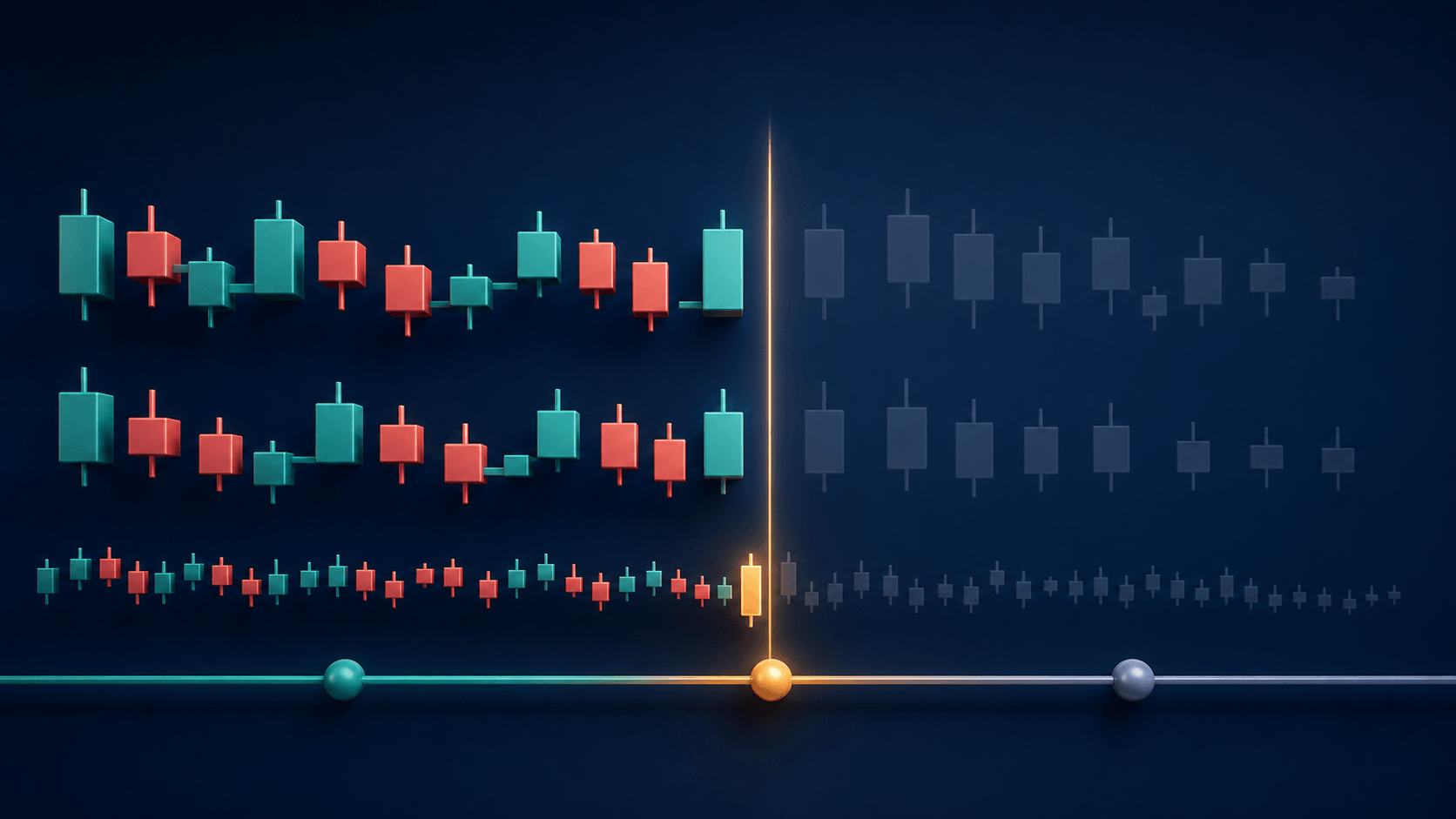
This is what separates an EA that merely references two timeframes from one that trades them correctly.
When we build multi-timeframe systems at Keenbase, synchronization and the forming-versus-closed decision are where most of the careful work goes.
They are where these strategies silently break, and where a client comparing quotes will rarely be told the hard part exists.
If you have a top-down or multi-timeframe strategy you want automated with real information instead of accidental hindsight, tell us how you read the timeframes and we will build it to match.
You Might Also Like: